About Rocket Farm Studios

Built by
builders.

A Boston-based AI-native product studio, building since 2008. Led by the same two senior people from first call to final handoff — no account managers, no handoffs, no juniors between you and the people doing the work.

—— Our story

A consultancy that ships.

Three things have stayed constant since 2008: the rigor of a consultancy, the agility of a product team, and the same two leaders on every gate review. Here's how that translates into the work.

The rigor of a consultancy. The agility of a product team.

Started in 2008 in Needham, MA with one question: what if a strategy firm and a product studio were the same company? Eighteen years later, strategy, design, engineering, and growth aren't departments that hand off — they're the same team on the same problem.
The difference: we ship.

Agencies stop at the deck. Dev shops start at the ticket. We sit in the middle on purpose — the same team that draws the architecture writes the code, and the team that writes the code sits with you when it ships. You own the code, the architecture, and the playbook.

Eighteen years. Still building.

Built the products inside Nokia (Motally) and Google (AdMeld), the rower on your kitchen wall (Hydrow), and sheet music in millions of hands (Yamaha NoteStar). The way we build has changed — AI is now in every phase. The commitment hasn't: senior people, real accountability, work that ships.

—— Leadership

The people you'll actually work with.

Both still on every meaningful decision — strategy on the front of the table, engineering on the back of it.

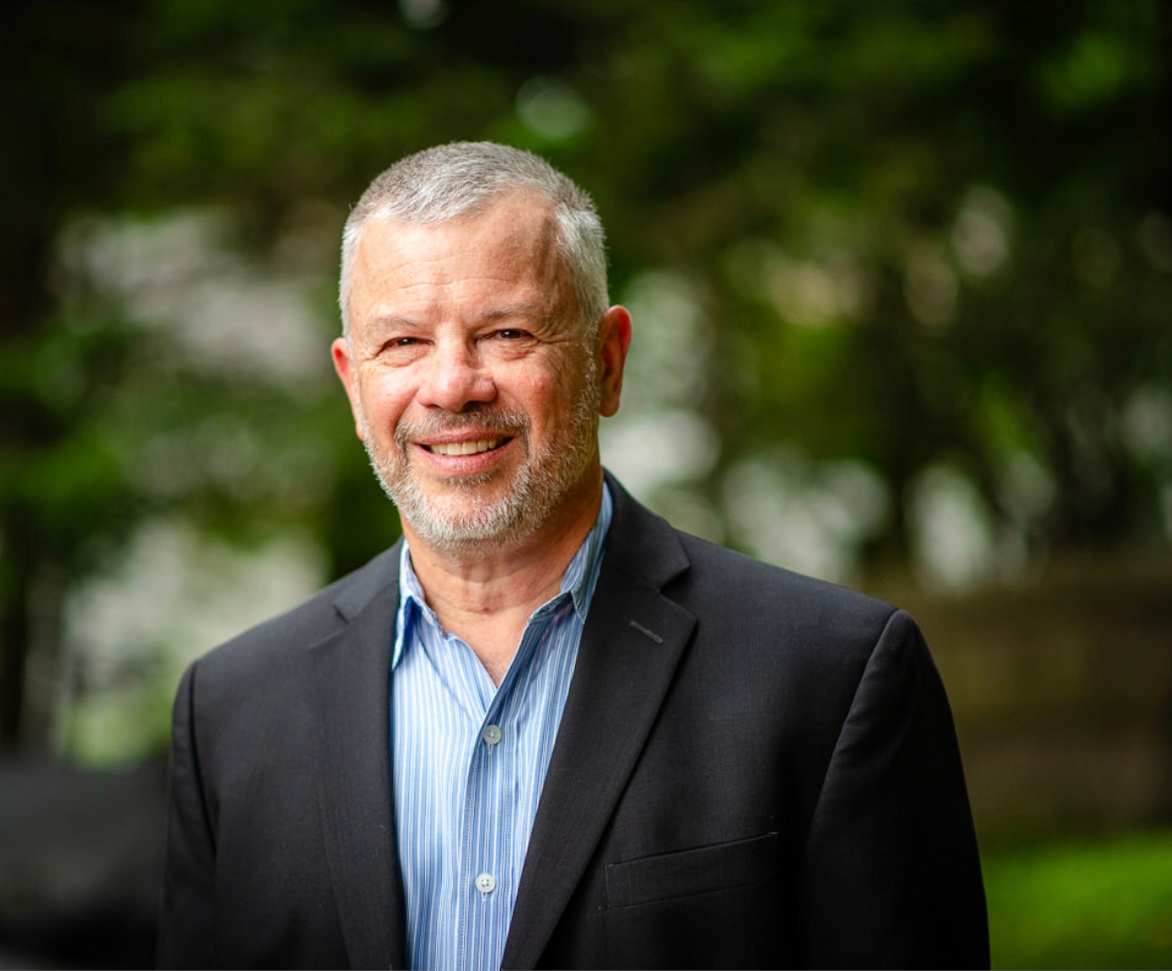
Dan Katcher
Founder & CEO

Dan Katcher

I founded Rocket Farm in 2008 because strategy and engineering kept talking past each other. Eighteen years later, I'm still on every kickoff and every gate review. AI has changed everything about how we build — and I've never been more excited about what's ahead.

Connect with me
Daniel Rondeau
CTO

Daniel Rondeau

From chef to technologist — the discipline of a professional kitchen never left me. I've helped lead Rocket Farm's reinvention as an AI-native dev shop, and I own the technical bar across every engagement. Hands-on in architecture, code review, and every build that matters.

Connect with me
—— Common questions

What teams ask first.

Where we're based, how the team works, what we sub out, what we don't, and how to tell if we're actually the right partner for your situation.

Where are you based and where do you work?

The studio is in Needham, Massachusetts — Boston metro. We run engagements across the US, Canada, the UK, and EMEA. Time zones get scoped into the cadence on day one: gate reviews on overlap, async standups for the rest. We don't pretend distributed work is easy; we just set the cadence so it works.

How big is the team and how is it structured?

Senior across the board — strategists, designers, engineers, AI / ML practitioners, and growth folks under one roof. We staff engagements as small, cross-functional pods that own outcomes end to end instead of departments that hand off. Dan and Daniel are on every active engagement.

Do you sub work out to contractors or offshore teams?

No. Zero subcontractors. Every discipline that ships on your engagement is staffed in-house with senior people from day one. If it's on your pod, it sits on the same Slack channel as you — not in a different timezone, not behind a vendor layer.

Do you take on small projects?

Yes — Prototype Sprints (3–6 weeks) and AI Audits (2–4 weeks) are deliberately sized so smaller teams can engage without a long contract. If the budget genuinely doesn't fit, we'll tell you what would, and how to get there.

How are you different from a traditional dev shop or consultancy?

Consultancies stop at the deck. Dev shops start at the ticket. We sit between the two — the same team writes the architecture, writes the code, and stays on through launch. The artifacts you walk away with (code, IaC, runbooks, eval suites, ADRs) are in your accounts from commit one.

What stack do you usually use?

Our defaults are Next.js, React Native, Python, Node, Postgres, Vercel, and AWS — plus Claude / OpenAI / open-source models on the AI side. But every engagement starts with a stack alignment; we adopt your linting, CI, branching, deploys, and naming conventions on day one rather than asking you to change yours.

—— Field notes

What we’re writing about.

Field notes from the studio — what we’re learning about AI products, agent UX, and the messy reality of shipping software in 2026.